Course Description
| Target Audience | Credit Risk Managers and Analysts, Credit Monitoring and Loan Review Officers, Recovery and Remedial Management Teams, Relationship and Account Managers, Risk and Compliance Professionals, Bank, Microfinance, and Lending Institution Staff, Portfolio and Asset Quality Managers |
INTRODUCTION
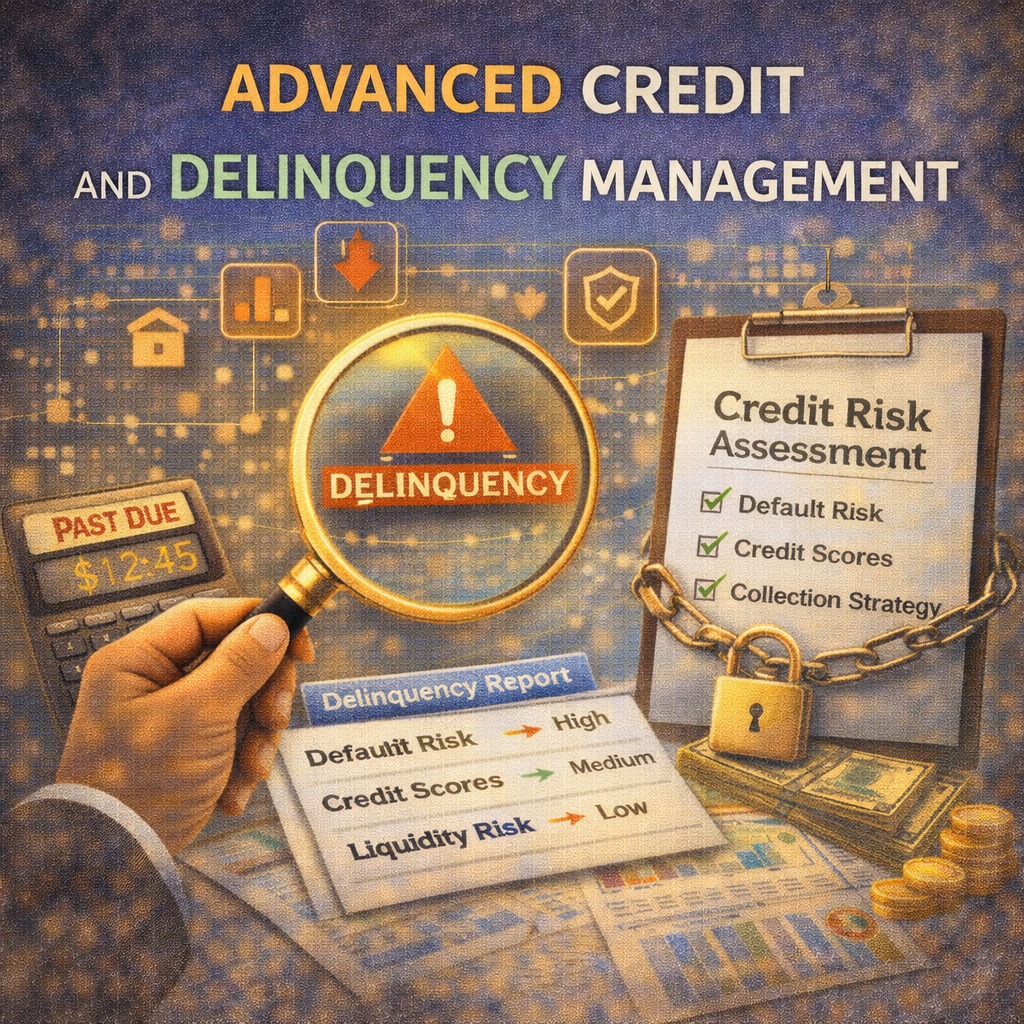
Credit risk does not end with loan approval. In many organizations, losses occur not because credit was granted, but because risks were not monitored, early warning signs were missed, and delinquency was poorly managed. As economic conditions tighten and borrower behavior becomes less predictable, lenders must strengthen both their credit risk frameworks and their delinquency management practices.
This three-day training is designed for experienced credit and risk professionals who want to deepen their ability to identify emerging credit risks, manage delinquent accounts effectively, and reduce loan losses. The training combines credit risk analysis with practical delinquency management strategies, focusing on prevention, early intervention, and recovery.
Participants will work through real-life credit situations, learning how to balance risk control, customer relationships, and regulatory expectations.
COURSE OBJECTIVES
By the end of this training, participants will be able to:
- Identify and assess advanced credit risk factors
- Monitor credit exposures and detect early warning signals
- Understand borrower behavior and delinquency patterns
- Segment delinquent accounts and apply appropriate strategies
- Manage non-performing loans effectively
Improve recovery outcomes while maintaining professionalism
COURSE OUTLINE
Module 1: Advanced Credit Risk Concepts and Realities
- Credit risk beyond approval
- Changing risk landscape and borrower behavior
- Understanding systemic and idiosyncratic risk
- Lessons from past credit failures
Module 2: Credit Risk Identification and Assessment
- Key risk drivers across loan types
- Financial, business, and behavioral risk factors
- Industry and macroeconomic influences
- Practical risk assessment approaches
Module 3: Credit Monitoring and Early Warning Signals
- Importance of post-disbursement monitoring
- Financial and non-financial warning signs
- Account performance tracking
- Acting early to prevent deterioration
Module 4: Portfolio Credit Risk Management
- Portfolio-level risk assessment
- Concentration and correlation risk
- Segmenting portfolios by risk profile
- Managing risk limits and thresholds
Module 5: Understanding Delinquency and Default Behavior
- Why borrowers default
- Types and stages of delinquency
- Distinguishing temporary distress from structural failure
- Behavioral patterns in delinquent accounts
Module 6: Delinquency Prevention Strategies
- Strengthening pre- and post-loan controls
- Customer engagement and communication
- Early intervention techniques
- Role of relationship management
Module 7: Delinquency Management Frameworks
- Structuring effective delinquency management processes
- Roles and responsibilities
- Escalation and decision-making protocols
- Performance measurement for delinquency teams
Module 8: Remedial Actions and Loan Restructuring
- When and how to restructure loans
- Rescheduling versus refinancing
- Assessing viability of restructuring
- Managing moral hazard and repeat delinquency
Module 9: Managing Non-Performing Loans (NPLs)
- Definition and classification of NPLs
- NPL resolution strategies
- Balancing recovery and relationship management
- Regulatory and provisioning considerations
Module 10: Recovery, Collections, and Legal Considerations
- Recovery approaches and tools
- Negotiation and settlement techniques
- Working with legal and external recovery agents
- Ethical and reputational considerations
Module 11: Credit Risk Reporting and Governance
- Reporting credit quality to management
- Using data to support decisions
- Credit committees and oversight
- Strengthening accountability
Module 12: Practical Credit Risk and Delinquency Case Review
- End-to-end delinquency case analysis
- Decision-making under pressure
- Lessons learned and best practices
- Personal and team action planning
Course Details
- Duration: 3 days
-
Available Formats:
- Physical Attendance - ₦260,000
- Virtual Attendance - ₦220,000
-
Available Dates:
- Mar 24, 2026
- Oct 12, 2026