Course Description
| Target Audience | Loan and credit officers, Relationship and account managers, Portfolio and asset quality managers, Risk management staff, Recovery and collections teams, Credit administration personnel, Supervisors and team leaders in lending institutions |
INTRODUCTION
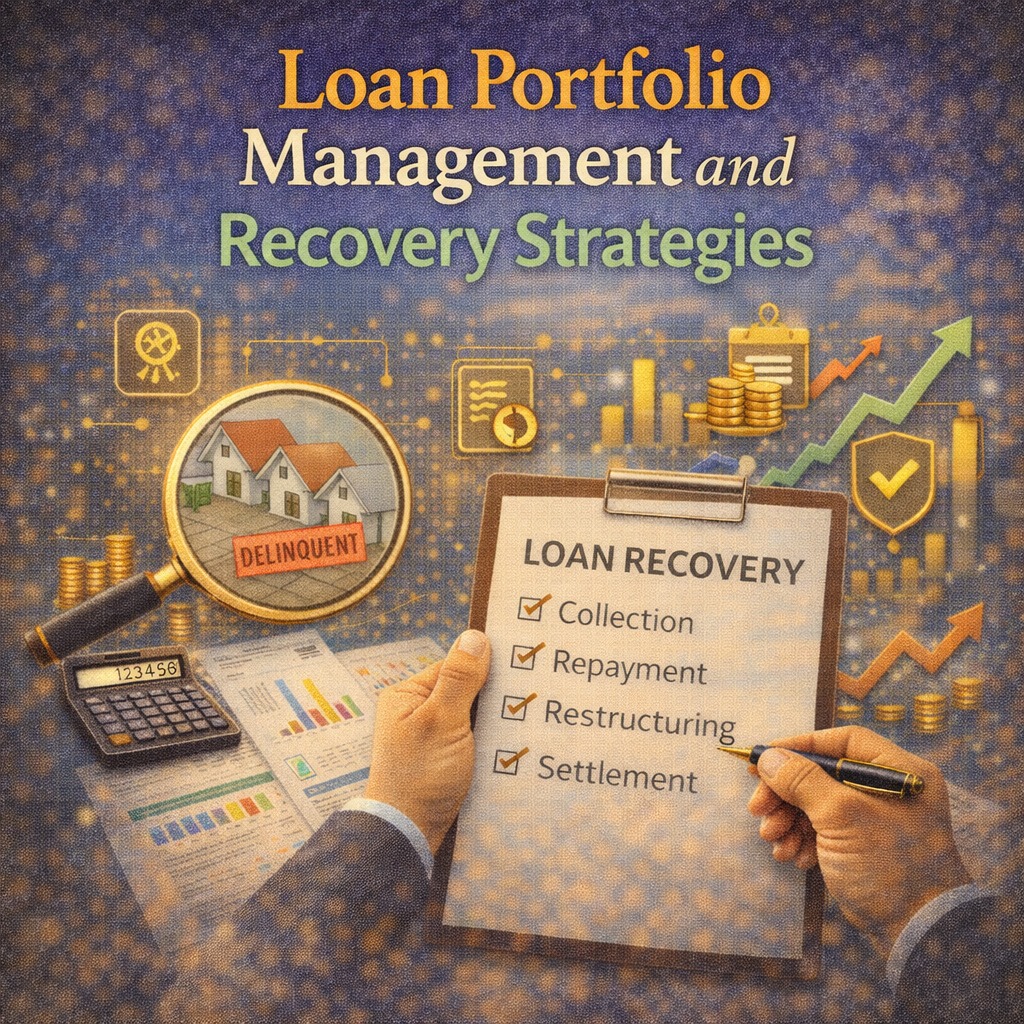
A loan portfolio reflects the true health of any lending institution. Strong growth numbers mean little if portfolio quality is weak, or recovery actions are delayed. Many loan losses are not caused by bad borrowers alone, but by poor portfolio oversight, late intervention, and ineffective recovery strategies.
This one-day programme focuses on the practical management of loan portfolios from disbursement through maturity, including how to recognize early signs of stress and how to recover value when loans begin to fail. The course places equal emphasis on portfolio discipline and realistic recovery methods, drawing from actual lending and recovery experiences rather than theory.
Participants will leave with a clearer understanding of how to protect portfolio quality, reduce non-performing loans, and improve recovery outcomes through structured, timely action.
COURSE OBJECTIVES
By the end of this programme, participants will be able to:
• Understand loan portfolio performance beyond headline figures
• Identify emerging risks within a loan book at an early stage
• Segment and prioritize loans for effective management
• Apply practical strategies to manage delinquent and non-performing loans
• Improve recovery outcomes through structured engagement
• Reduce avoidable losses through timely and informed decisions
COURSE OUTLINE
MODULE 1: UNDERSTANDING LOAN PORTFOLIO HEALTH
• What defines a healthy loan portfolio
• Key portfolio performance indicators
• Concentration risk and exposure limits
• Growth versus quality trade-offs
• Common signs of a weakening portfolio
MODULE 2: LOAN SEGMENTATION AND RISK PRIORITISATION
• Segmenting loans by risk, sector, and behavior
• Identifying high-risk and watch-list accounts
• Setting monitoring priorities
• Resource allocation for portfolio oversight
• Avoiding blanket management approaches
MODULE 3: PORTFOLIO MONITORING AND EARLY WARNING SIGNALS
• Account conduct and repayment patterns
• Financial and non-financial warning signs
• Industry and economic influences
• Exception tracking and reporting
• Timely escalation of emerging issues
MODULE 4: MANAGING DELINQUENT LOANS
• Understanding stages of delinquency
• Borrower engagement strategies
• Distinguishing temporary cash flow issues from deeper problems
• Corrective actions and remedial measures
• Preventing delinquency from becoming default
MODULE 5: RECOVERY STRATEGIES FOR NON-PERFORMING LOANS
• Recovery planning and case assessment
• Negotiation approaches with defaulting borrowers
• Restructuring and settlement options
• Use of collateral and legal remedies
• Balancing recovery speed with value preservation
MODULE 6: PORTFOLIO REVIEW AND CONTINUOUS IMPROVEMENT
• post-recovery analysis and lessons learned
• Strengthening future lending decisions
• Improving recovery processes and controls
• Reporting outcomes to management
• Building a culture of accountability in portfolio management
Course Details
- Duration: 1 days
-
Available Formats:
- Physical Attendance - ₦69,000
- Virtual Attendance - ₦54,000
-
Available Dates:
- Feb 03, 2026
- Feb 26, 2026
- Jun 25, 2026
- Oct 26, 2026